Phillip James ROI
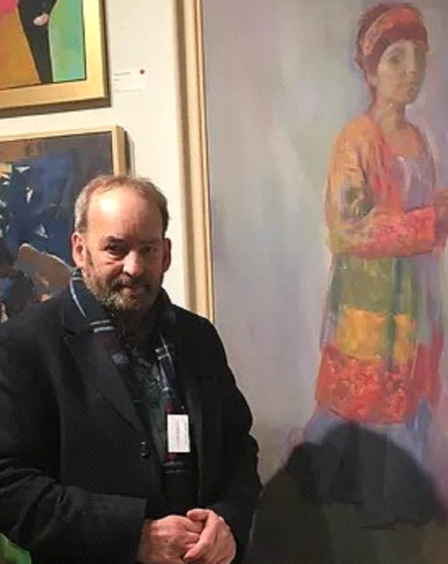 Born in 1948, Bromley, Kent, Nicholas Philip James’ practice as a painter spanned nearly sixty years. He studied Painting with Keith Vaughan and Frank Auerbach for his BA in Fine Art at the Slade School of Art, University of London, and at Kingston University for his History of Art MA.
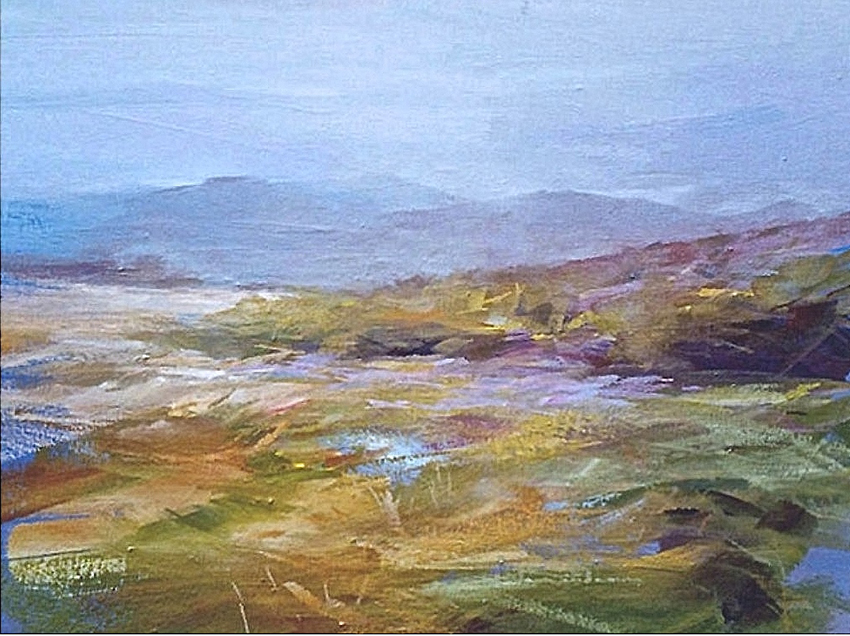
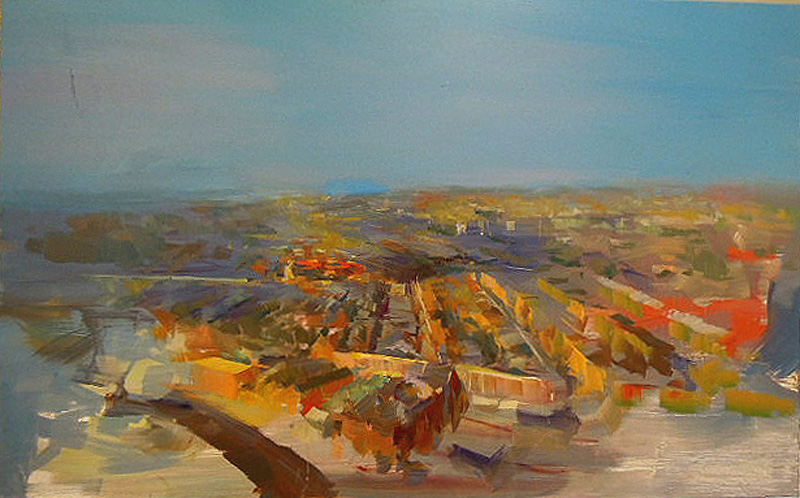
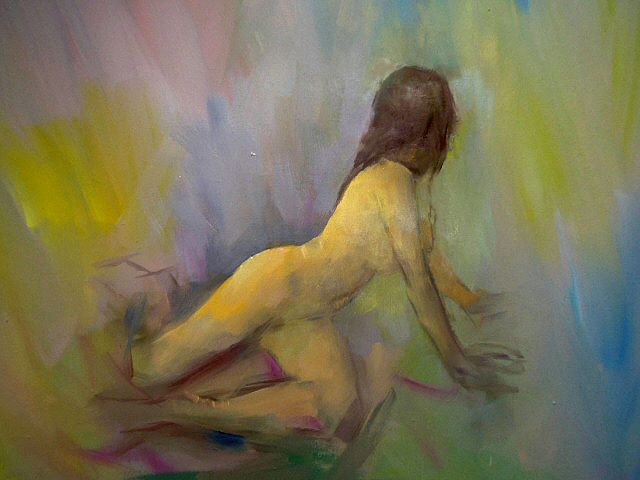
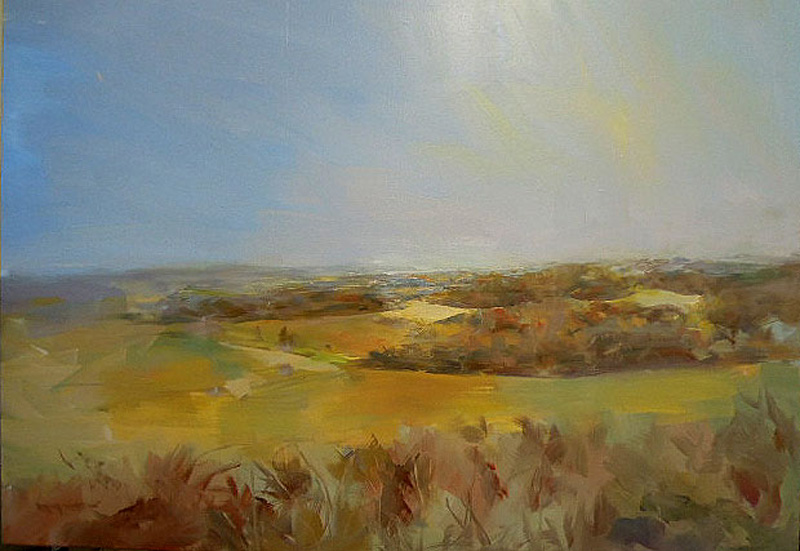
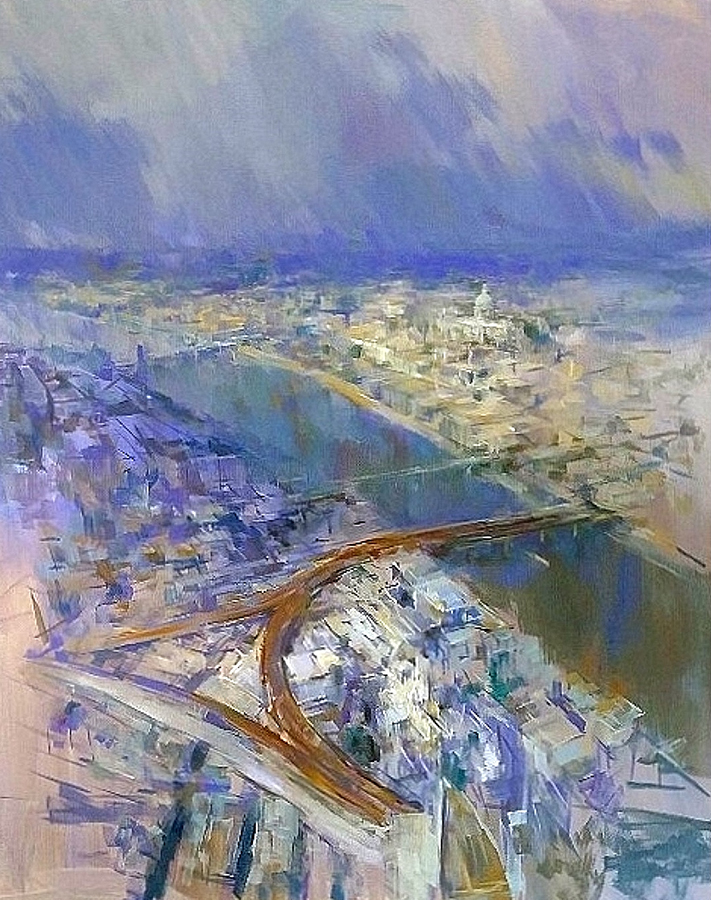
Philip’s attraction to landscape painting was first developed in works made en plein air in Sussex, Devon, Cornwall and the Lake District in the mid-1960’s. In the 1990’s Philip moved on to city views of London, especially atmospheric studies of the historic Square Mile, developed between 1997 and 2014, and Paris, which he described as ‘a fabulous animal, volatile, individualist and alive with its history and possibilities’. Philip worked on corporate commissions for businesses in the UK and USA, and regularly undertook private portraits of individuals, families and children, working at his Islington studio.
Philip was also a prolific writer about art. With Sarah Batiste he edited Cv Journal from 1988-91, forming Cv Publications in 1992 and Cv/Visual Arts Research in 1995, publishing over 350 books, monographs and 250 audiobooks. His many subjects included Masaccio, Andy Warhol, Francis Bacon and David Hockney.
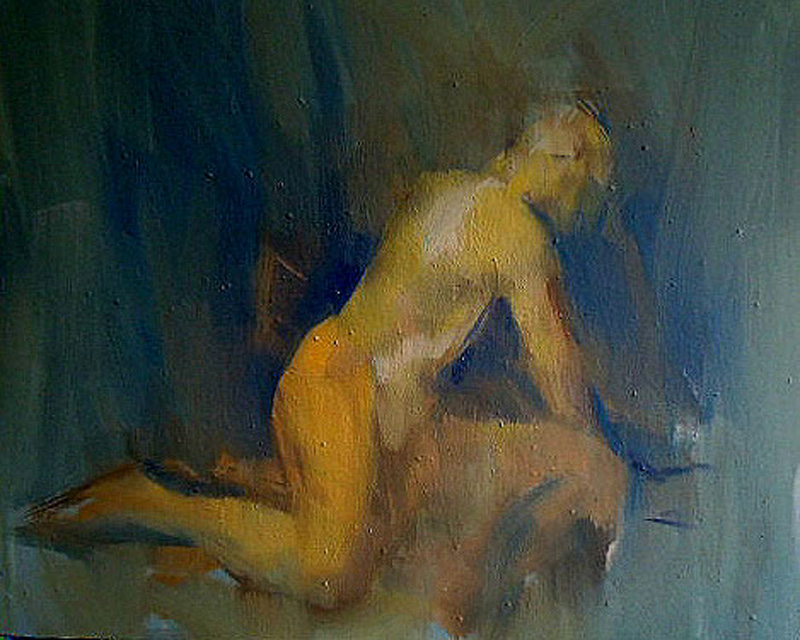
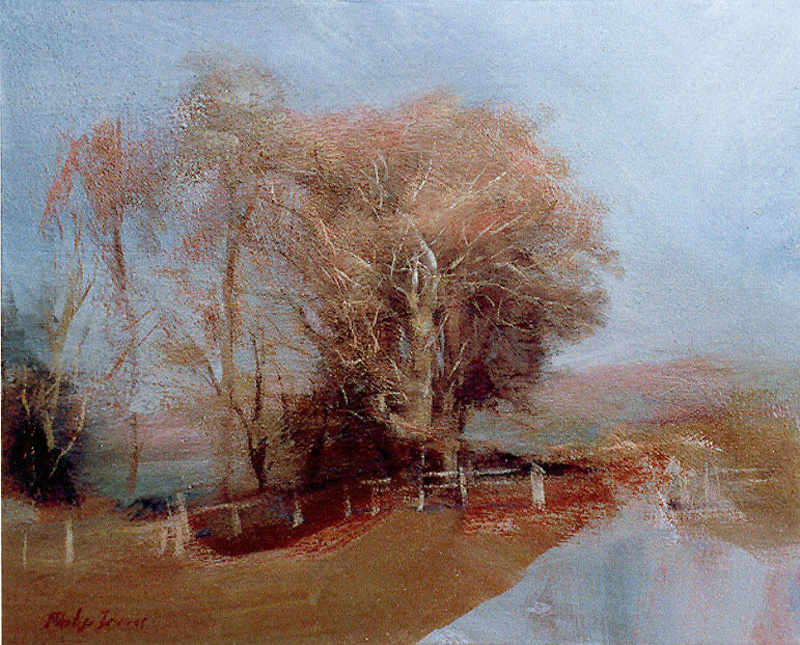
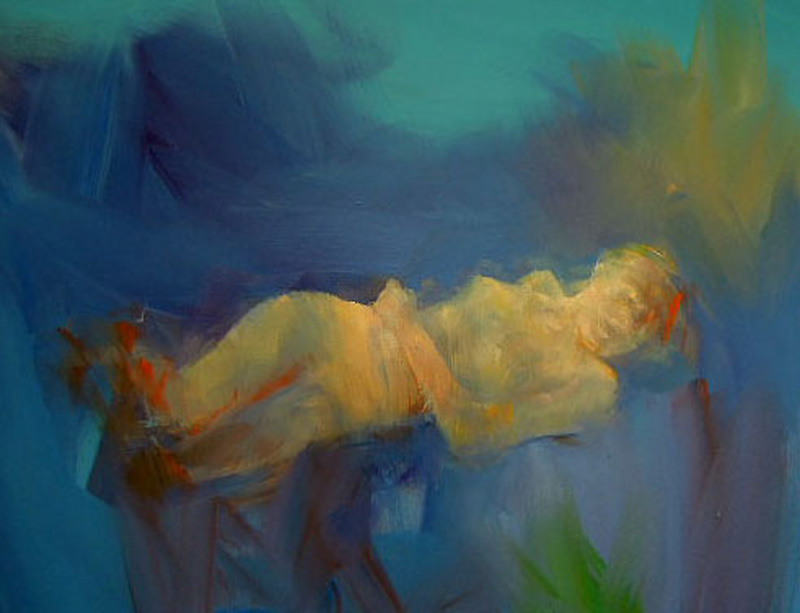
When working in oil, Philip generally painted on linen canvas, building studies in finely graded layers of a selected colour range, generally preferring a subtle key to more saturated tints. This use of floated washes, which he also employed in his watercolours, gave his work an airy feel, particularly in delicate children’s portraits. This elusive quality was counterpointed by carefully selected passages of precision which drew the eye to areas of importance. Of his work Philip wrote:
“For me the act of painting is a kind of play, and a process that is quite mysterious. There are subjects that act as triggers, and I return to – like the luminous Becky Falls in Dartmoor, which I am presently engaged with, or the large view to the east of the City seen from the Shard, including Canary Wharf. Touch is important to me, the picture appears through a web of often minute strokes, and I feel the pressures of different parts as they bear on each other. I like light to trickle and percolate every part, from brilliance to the deepest shadow, and to sense a fluid movement over the surface. The painting is always moving as the subject gradually emerges.
I re-visit places I have known, locations that get under the skin. Sometimes I feel the loss of change, as in Postbridge, gateway to the moors, where a gathering of trees that figured majestically in a small study of two decades ago had completely disappeared. The studies of the moors or the South Downs Way in Sussex, or aspects of the City, become milestones in a personal journey, and my feeling for them intensifies over time.”
When describing Philip’s paintings, Jack O’Neill of the Elm Hill Gallery, Houston remarked on ‘the seeming variety of painting styles, at one point representational and then at another so abstract. Also the use of colour is right on – vivid in the more abstract landscapes and then more subtle and unexpected in the cityscapes’.
Philip’s work is held in private collections in England and America. He exhibited at The Royal Academy Summer Exhibition, the Royal Society of British Artists and, having shown regularly with the ROI for many years, winning the Winsor & Newton and Ranelagh Prizes, Philip was elected a full member in 2006.